

Could Vision Issues Be Affecting Your Child’s Learning?
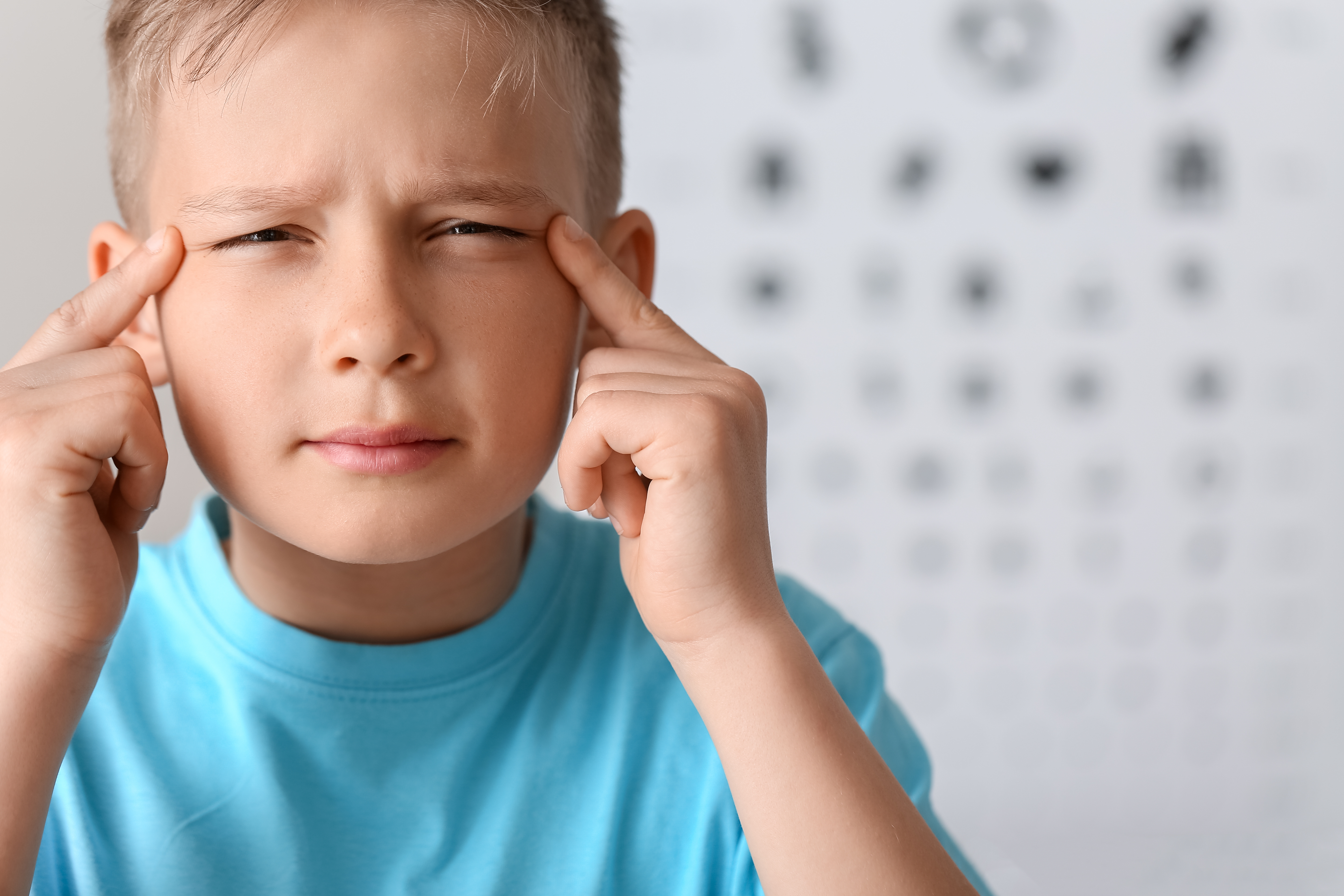
When a child struggles with reading, focus, handwriting, or classroom performance, it is easy to assume the issue is attention, motivation, or learning style. In some cases, however, the eyes may be part of the problem. Even children with 20/20 eyesight can have vision issues that affect how comfortably and efficiently their eyes work together.
At The Solution Center in Osage Beach, we help families better understand how pediatric NeuroVisual concerns, eye teaming, tracking, and visual processing can affect learning and daily comfort.
Vision Is More Than Clear Eyesight
A standard vision screening usually checks how clearly a child can see letters on a chart. While that is important, it does not always show how well the eyes move, focus, and work as a team.
For learning, children need strong visual skills to follow words across a page, shift focus from the board to their desk, and process visual information quickly. When these skills are not working smoothly, schoolwork may feel harder than it should.
Signs Vision May Be Affecting Learning
Children do not always know how to explain visual discomfort. Instead, symptoms may show up as frustration, avoidance, or inconsistent performance in school.
Possible signs of a vision-related learning concern include:
- Skipping words or losing place while reading
- Complaints of headaches, tired eyes, or dizziness
- Covering one eye or tilting the head
- Trouble copying from the board
- Short attention span during reading or homework
- Poor reading comprehension despite effort
- Avoiding close-up tasks
These signs do not always mean a child has a vision issue, but they are worth evaluating, especially when they continue over time.
How Eye Teaming and Tracking Play a Role
Eye teaming allows both eyes to work together as one system. Eye tracking helps the eyes move smoothly across a page. When these skills are weak, reading can become tiring, slow, or confusing.
A child may reread the same line, skip small words, or struggle to keep their place. Over time, this can affect confidence and make homework feel overwhelming. Some children may even be mistaken for having attention problems when the real concern is visual strain.
Binocular Vision Dysfunction in Children
Binocular Vision Dysfunction, or BVD, occurs when the eyes have difficulty aligning properly. Even a subtle misalignment can cause the brain to work harder to create a single, clear image.
For children, BVD may contribute to headaches, light sensitivity, motion sensitivity, poor concentration, or difficulty with reading. A pediatric NeuroVisual evaluation can help identify whether these symptoms are connected to how the eyes and brain are working together.
The Importance of an Early Evaluation
The sooner vision issues are identified, the sooner a child can receive the right support. At The Solution Center, pediatric care may include a detailed NeuroVisual Evaluation, advanced diagnostic testing, custom microprism lenses, vision therapy, or sensory integration therapies depending on the child’s needs. The goal is not just to help a child see clearly. It is to help them feel more comfortable, confident, and capable in the classroom and beyond.
Supporting Your Child’s Learning Comfort
If your child is struggling in school, a comprehensive pediatric vision evaluation can provide helpful answers. Many families feel relieved when they discover that visual discomfort may be contributing to learning challenges.
Schedule a pediatric NeuroVisual evaluation at The Solution Center to better understand whether vision issues may be affecting your child’s learning, focus, reading comfort, or classroom performance. Visit our office in Osage Beach, Missouri, or call (573) 723-1412 to book an appointment today.
Quick Links
All Eye
Care Services

Keep
In Touch
© 2026 The Solution Center. All Rights Reserved. Accessibility Statement - Privacy Policy - SMS Terms and Conditions - Sitemap
