

Microprism Glasses vs. Standard Prescription Glasses: Why Specialized Lenses Matter for Binocular Vision Dysfunction
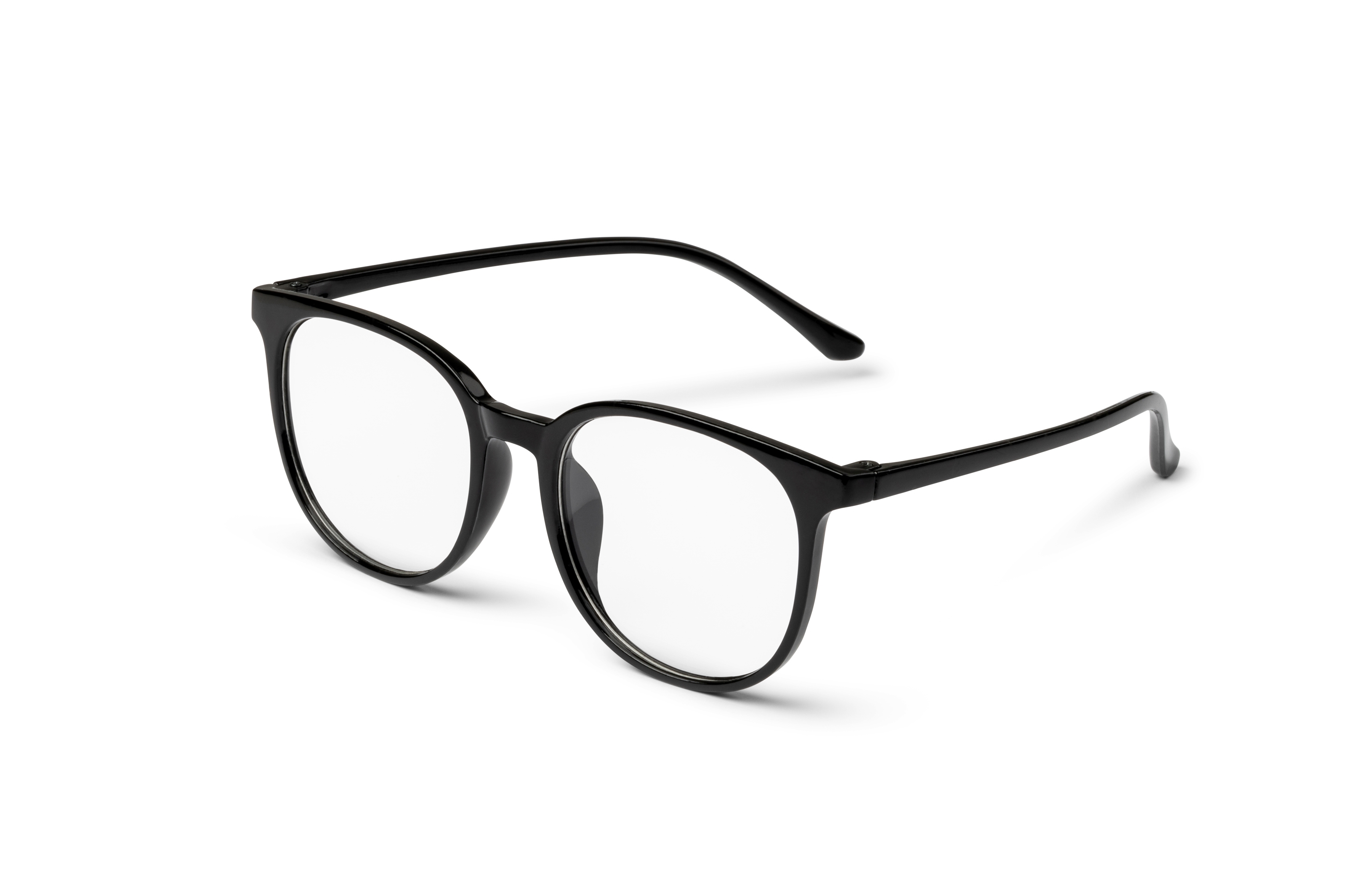
Most people think of prescription glasses as a way to sharpen blurry vision. Standard prescription glasses are designed to correct common refractive errors such as nearsightedness, farsightedness, and astigmatism. They help light focus properly on the retina so you can see more clearly at distance, up close, or both.
For many patients, that is enough. But for people with Binocular Vision Dysfunction, also called BVD, clear eyesight is only part of the problem. The eyes may be slightly misaligned, causing the brain to work harder to combine two separate images into one clear image. This extra effort can lead to symptoms that standard lenses may not fully address.
What Is Binocular Vision Dysfunction?
Binocular Vision Dysfunction happens when the two eyes do not work together as comfortably or efficiently as they should. Even a small misalignment can create strain because the visual system is constantly trying to compensate.
BVD symptoms can be frustrating because they are often mistaken for migraines, sinus issues, anxiety, motion sickness, or general eye strain. Patients may have 20/20 vision and still feel uncomfortable throughout the day.
Common symptoms of BVD may include:
- Headaches or migraines
- Dizziness or balance problems
- Neck and shoulder tension
- Eye strain or tired eyes
- Motion sickness
- Light sensitivity
- Trouble focusing while reading
- Anxiety in busy visual environments
How Microprism Glasses Are Different
Microprism glasses are specialized lenses designed to help compensate for subtle eye misalignment. Instead of only changing how clearly you see, microprism lenses gently redirect light before it enters the eyes. This can reduce the amount of effort the eye muscles and brain need to use to keep vision single and stable.
The word “micro” is important. These lenses use very precise amounts of prism customized to the patient’s visual alignment. The goal is not just sharper vision, but more comfortable vision. For people with BVD, that difference can be significant.
Why Standard Prescription Glasses May Not Be Enough
A standard eye exam checks how well each eye sees and determines the lens power needed for clear vision. While this is essential, it may not always identify the subtle visual misalignment linked to BVD symptoms.
That is why someone can wear the right standard prescription glasses and still struggle with headaches, dizziness, reading fatigue, or visual discomfort. The prescription may be accurate for clarity, but it may not address how the eyes work together.
Microprism glasses require a specialized evaluation that looks beyond visual sharpness. This helps determine whether small amounts of prism can support better eye teaming and reduce strain.
Why Specialized Lenses Matter
For patients with Binocular Vision Dysfunction, the right lens design can affect daily comfort. Reading, driving, working on a computer, walking through stores, or being in visually busy places may feel easier when the eyes are not constantly fighting to stay aligned.
Microprism glasses are not a one-size-fits-all solution. They must be carefully measured and customized. When prescribed properly, they can help support more stable, comfortable vision for patients whose symptoms are connected to subtle eye misalignment.
A More Complete Approach To Visual Comfort
If standard prescription glasses are not relieving your symptoms, it may be time to look deeper. A NeuroVisual evaluation can help determine whether Binocular Vision Dysfunction is contributing to your discomfort and whether microprism glasses may be the right fit.
See what clearer, more comfortable vision can feel like and schedule your NeuroVisual evaluation for microprism glasses with The Solution Center in Osage Beach, MO by calling (573) 723-1412.
Quick Links

All Eye
Care Services

Keep
In Touch
© 2026 The Solution Center. All Rights Reserved. Accessibility Statement - Privacy Policy - SMS Terms and Conditions - Sitemap
